 We Save Bees

A cluster on a tree
or branch
Share where the cluster is, roughly how high it is, and when you first noticed it.
Tell us about the swarm ↗La Jolla · San Diego · Live bee removal
Live bee removal in La Jolla. Bees in your wall, roof, tree, or irrigation box? Show us what you’re seeing. We’ll review your project and explain the next steps.
Photos help us see where the bees are and plan their removal.

Start with what you see
You don’t need to identify the hive yourself. Tell us where you’re seeing activity, and share a photo from a safe distance if you can.
Share where the cluster is, roughly how high it is, and when you first noticed it.
Tell us about the swarm ↗A small entrance may lead to hidden comb. Access and cleanup affect the work involved.
Request a removal estimate ↗Let us know the location and how long you’ve noticed activity. Leave the lid in place.
Get help with the box ↗Describe what you see. You can still request an estimate without photos.
Ask us to take a look ↗A clear path forward
Send your location, where the bees are, how long they’ve been there, and optional photos.
We review your photos and explain the removal and relocation work. If more information or an inspection is needed, we’ll explain why.
Confirm live bee removal, relocation, comb cleanup, and any repair arrangements before scheduling.
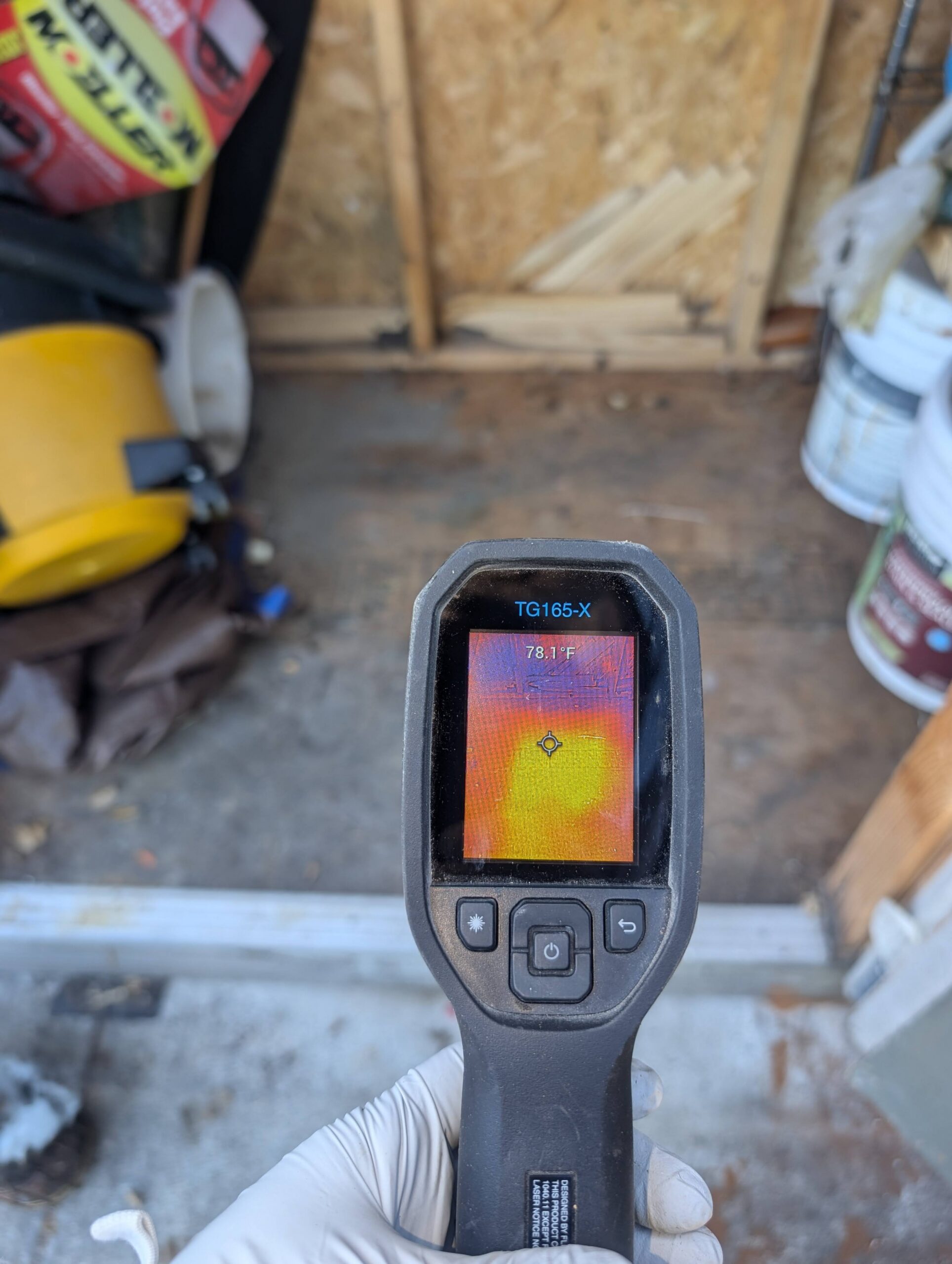
Inspecting the shed during a La Jolla bee-removal project.
A La Jolla shed project
We used a thermal camera to locate the colony inside this La Jolla shed. Understanding where a colony is located helps us plan access before opening the structure.
Bees entering a small gap can have comb hidden out of sight. Show us the entrance and the surrounding structure from a safe distance so we can review your project.
Tell us about your shed ↗
A La Jolla bee rescue from the We Save Bees channel.
Bee removal in La Jolla
In this La Jolla rescue, bees chose a spot where we had removed a colony before. Watch Dan and the team work through the removal in the video below.
When bees move into a roof or wall, the entrance tells only part of the story. The colony’s location, height, and access all affect how we reach the bees and remove the comb.
Seeing activity around your home or property? Send a photo showing the entrance and the surrounding area from a safe distance. We’ll review your La Jolla project and explain the next steps.
Have a similar situation? ↗A La Jolla rescue from our YouTube channel
Let’s talk about cost
There isn’t one price that fits every bee removal. A cluster on a reachable branch and a colony behind a roof can require very different work.
Share your project details so we can explain what affects your estimate.
Get an estimate for your project ↗Before you reach out
Still unsure? Describe the situation in the estimate form.
Yes. We Save Bees serves La Jolla with live honey bee removal and relocation for residential and commercial properties. Tell us where the bees are so we can review your project.
Photos can help us understand the location and access. Hidden comb or difficult structural access may require more information or an on-site estimate before the scope and price can be confirmed.
A wider view showing the location and a closer view taken safely from a distance can help. Don’t open a box, climb, remove a panel, or disturb the colony to get a photo.
Some projects require an opening to reach the colony. Ask what access, cleanup, sealing, and repair work is included in your specific estimate before work begins.
Choose “Not Sure” in the form and describe the activity. Share an optional photo if it’s safe to do so. We may need more information to identify the appropriate next step.
Call 833-833-2337 to discuss current availability. Scheduling depends on the location, access, project scope, and crew availability.
Let’s take a look
Start with what you know. Your location, a brief description, and optional photos help us understand the work.
Prefer to talk?
833-833-2337
We’ll review your request and follow up using your preferred contact method. Submitting this form does not book an appointment or confirm a final price.
Keep people and pets away from the colony. Don’t disturb it or seal an active entrance while waiting for an estimate.
Trouble with the form? Open it in a new tab ↗